Safety and responsibility in managing medical emergencies in sports. How to stay prepared.
Who is at risk? The law is clear.
Being prepared for emergencies is an obligation. Every administrator or coach is expected to anticipate the types of injuries athletes may be exposed to and, accordingly, to equip themselves with suitable devices to treat them.
The law requires the presence of a defibrillator and the necessary first-aid supplies. However, ensuring safety during sports activities is the direct responsibility of the associations and, therefore, of their managers. For this reason, having suitable equipment available to handle the most common emergencies is a form of “insurance” not only for those who may benefit from it in case of need, but also for those who have chosen and made it available.
Injuries
Hospitalizations
Red Codes
The greatest risk? Being unprepared.
In a medical emergency, the patient is certainly the one facing the greatest risks: risks to their sporting career, to their quality of life after the event and, in the worst cases, to their life itself. For this reason, being prepared for emergencies is a priority, first and foremost for ethical reasons and for people’s safety. However, every sport is different in terms of dynamics, environment and the forces involved. This is why it is essential to rely on those who have in-depth knowledge of medical emergencies as a whole and, like us at Me.Ber., have been manufacturing specific devices for over 30 years.
Team up with us! You’re already off to a winning start.
Metti in campol'esperienza

Medical Emergencies in Sports Do you know your opponents?

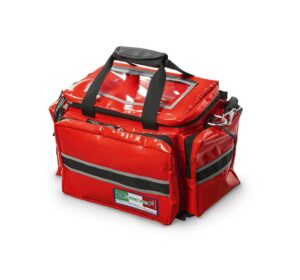
Basic Trauma Care
The “everyday” emergency
Wounds and bruises are an everyday occurrence in many sports disciplines. The principle of caution teaches us that no trauma should ever be underestimated, and that maximum precautions should always be taken while waiting for thorough medical examinations.
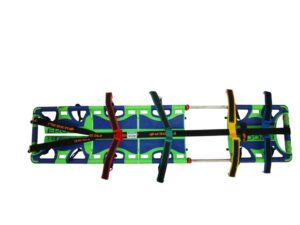
High-Energy Trauma
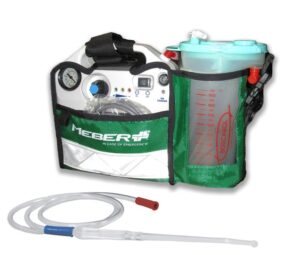
Vital Functions at Risk
Heavy duty wheelchair restraint systems designed to support patient safety and secure management across healthcare and long-term care environments.
Cardiocirculatory
Emergency
Triggered by physical exertion, congenital factors or as a consequence of severe trauma, serious complications may arise and lead to cardiocirculatory arrest.
The unexpected
A hidden threat
From allergies to respiratory failure, from metabolic disorders to heatstroke, there are countless situations that require immediate intervention while waiting for advanced medical assistance.